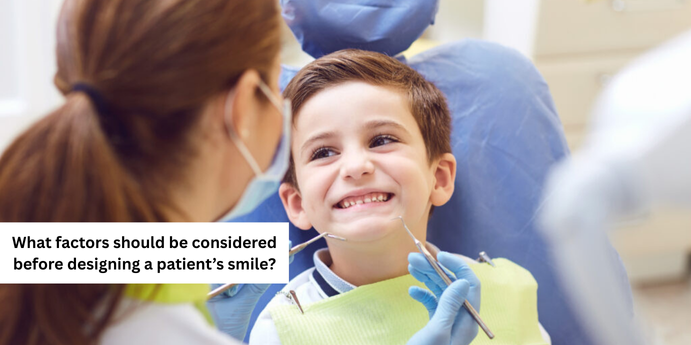
A beautiful smile is more than just straight, white teeth—it is a combination of art, science, and individual personality. Modern dentistry has made it possible to design smiles that not only enhance facial aesthetics but also improve confidence and oral function. Smile design is a personalized process, and before creating the perfect smile for a patient, a dentist carefully evaluates several key factors to ensure long-lasting and natural-looking results.
Understanding Smile Design
Smile design refers to the process of analyzing and enhancing a patient’s smile using dental techniques such as veneers, crowns, bonding, teeth whitening, orthodontics, or implants. Unlike routine dental treatments, smile design focuses on harmony, symmetry, and how the teeth, gums, and lips complement each other. Every patient’s smile is unique, which means there is no “one-size-fits-all” approach.
Key Factors Considered Before Designing a Smile
1. Facial Structure and Proportions
The face provides the frame for the smile. A dentist carefully examines facial symmetry, jaw alignment, and proportions to ensure the new smile blends seamlessly with natural features. The shape of the face—whether round, square, oval, or heart-shaped—guides decisions about tooth size and contour. For example, longer teeth may suit a round face, while softer edges may complement a square face.
2. Tooth Shape and Size
Tooth dimensions play a critical role in smile aesthetics. Teeth that are too short may create a “gummy” smile, while overly long teeth can appear unnatural. Dentists analyze the ideal width-to-length ratio to maintain balance and harmony. Customizing tooth shapes also helps reflect personality—square teeth often look more masculine, while rounded teeth are considered softer and more feminine.
3. Gum Line and Gingival Health
Healthy gums are the foundation of a great smile. If the gum line is uneven or inflamed, it can affect the appearance of the teeth. Dentists check for issues such as gum recession, excess gum display (gummy smile), or asymmetry before starting cosmetic procedures. Periodontal treatments or contouring may be recommended to create a more balanced look.
4. Tooth Color and Shade
Whitening alone may not always be enough for smile design. Dentists evaluate the natural tooth color and determine the ideal shade for veneers, crowns, or bonding. The goal is to create a bright, youthful smile while still keeping it natural. Overly white or mismatched teeth can look artificial, so shade selection is a careful process.
5. Bite Alignment and Function
Beyond aesthetics, functionality is essential. Malocclusion (improper bite) can cause jaw pain, uneven wear on teeth, and long-term oral health issues. Dentists assess bite alignment to ensure the new smile is not only attractive but also functional and sustainable. Sometimes orthodontic treatment is necessary before cosmetic enhancements.
6. Lip Position and Movement
A smile is framed by the lips, so their position, fullness, and movement are key considerations. The way lips move while speaking or smiling influences how much of the teeth and gums are visible. Dentists study lip dynamics to design a smile that looks natural in all expressions.
7. Patient’s Age and Personality
Age plays a big role in smile design. Younger patients may prefer brighter, more noticeable enhancements, while older patients often seek subtle, natural improvements that rejuvenate their appearance. Personality also matters—a bold, extroverted individual may want a striking smile, while someone with a softer personality may prefer a more understated look.
8. Oral Health Condition
Before cosmetic treatments, overall oral health must be assessed. Cavities, gum disease, worn enamel, or missing teeth should be addressed first to create a strong foundation. Cosmetic results are only sustainable when oral health is stable.
9. Patient’s Expectations and Lifestyle
Every patient has unique expectations. Some may want a Hollywood-style smile, while others prefer minimal corrections. Dentists discuss goals, show digital mock-ups, and align the treatment plan with lifestyle considerations. For instance, a patient with habits like teeth grinding may need durable materials like ceramic or zirconia.
10. Long-Term Maintenance
Smile design is not just about immediate results—it should last. Dentists consider how easy it will be for patients to maintain their new smile with regular hygiene, follow-ups, and care. Durable materials and practical treatment options are recommended to ensure longevity.
Modern Tools in Smile Design
Today, advanced digital dentistry tools make smile design more precise. Digital Smile Design (DSD) technology allows dentists to create a 3D preview of the patient’s new smile before starting treatment. This ensures accuracy, reduces errors, and helps patients visualize results in advance.
The Human Side of Smile Design
Smile design is not just technical—it’s emotional. A transformed smile can improve confidence, make social interactions more comfortable, and even influence career opportunities. Dentists who focus on both the science and artistry of smile design help patients achieve smiles that reflect their individuality.
Expert Smile Designing in Kharadi
When considering smile design, choosing the right dentist is crucial. At Smile Curve Advanced Dental & Implant Centre in Kharadi, Dr. Saswati Sahu offers a patient-focused approach that combines clinical expertise with an artistic eye for detail. Every smile design is carefully planned to complement facial features, personality, and oral health, ensuring results that are both beautiful and sustainable. Patients can expect personalized care, advanced treatment options, and a supportive environment where their dream smile becomes a reality.
FAQs About Smile Designing
Q1. Is smile designing painful?
Most procedures are minimally invasive and performed with local anesthesia if required. Patients usually experience little to no discomfort.
Q2. How long does smile designing take?
It depends on the treatment plan. Teeth whitening may take a single session, while veneers, crowns, or orthodontic treatments can take weeks or months.
Q3. Can smile design look natural?
Yes, modern materials and techniques are designed to mimic the natural look of teeth, ensuring your smile blends seamlessly with your features.
Q4. Is smile designing permanent?
With proper care, results from veneers, crowns, and implants can last many years. Regular check-ups and good oral hygiene extend their lifespan.
Q5. Who is the right candidate for smile design?
Anyone unhappy with the appearance of their teeth due to discoloration, misalignment, gaps, or uneven gums may be a good candidate.